435-840-5591Call 24/7 • A real person answers
Call Now
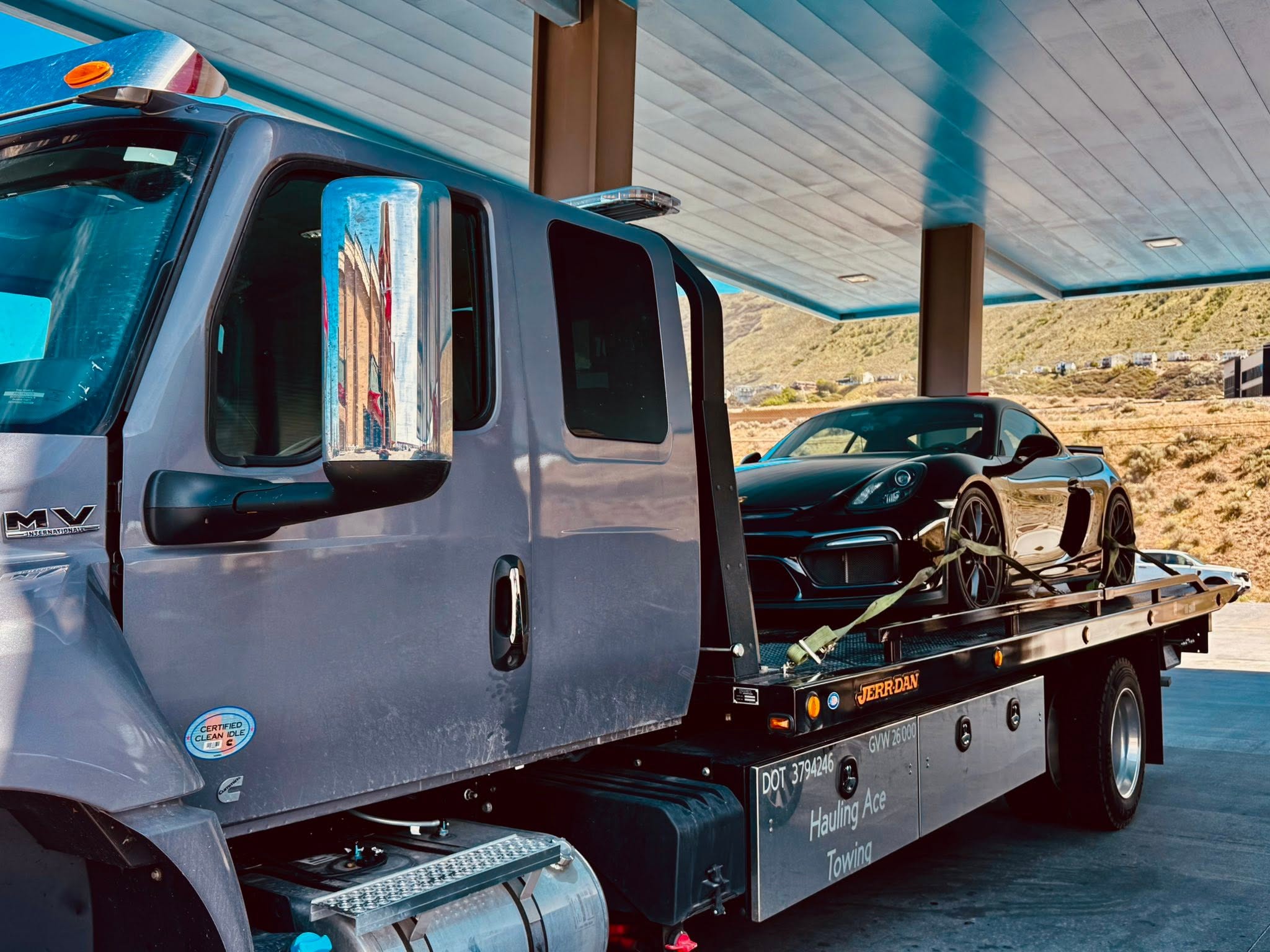
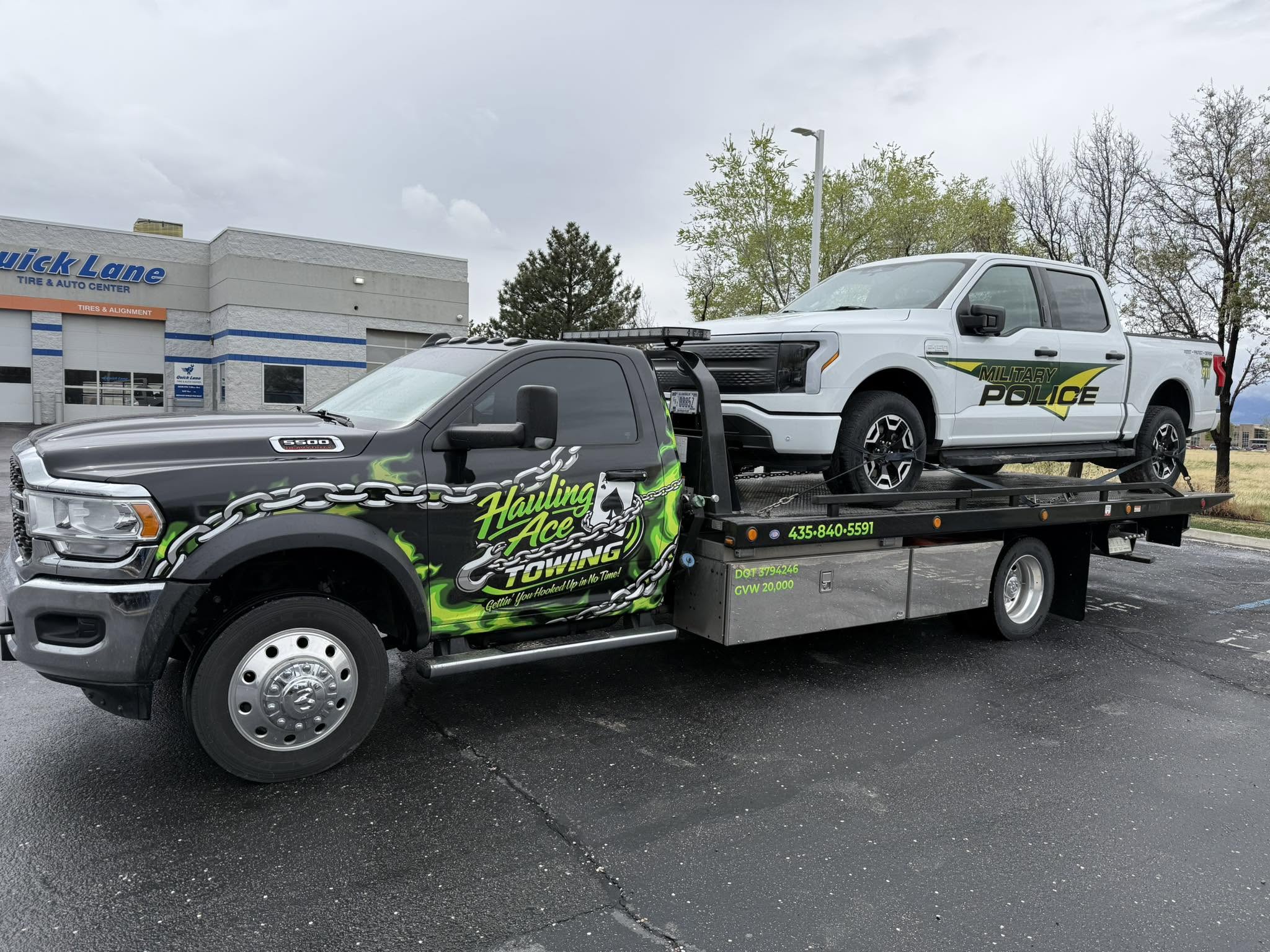
Tow an EV or a low-clearance sports car the wrong way and you can do thousands of dollars of damage before it ever leaves the shoulder. We are the crew trained not to, and it is why we work directly with Tesla as one of their go-to providers for Tooele County.
On most electric vehicles the motors are connected to the wheels, so towing one with two wheels on the ground can push current backward through the drive system. That is not a scratch, that is a repair bill with a comma in it. The only correct answer is a flatbed, every single time.
Model 3, Y, S and X. Out of charge, wrecked, or a service appointment it cannot drive to. We are Tesla's people out here.
Lucid, Rivian, Mustang Mach-E, Bolt, Leaf, Ioniq and the rest. Same rule: the flatbed, no exceptions.
Porsche, Alfa, BMW M, Corvette. Low front ends, expensive paint, and owners who are watching closely. Good.
Ran the battery down between here and Wendover? It happens constantly. We know that road. See I-80 recovery.
No, and this is the mistake that costs people the most money. Any towing with wheels on the ground can force the electric motors to spin and send current backward through a system that was never built to take it. Flatbed only, every time, no exceptions.
Done correctly on a flatbed, no. The risk is entirely in how it's towed, not that it's being towed at all. That is exactly why we load every EV on the flatbed and never drag it on its wheels.
Yes. If you ran out of charge rather than broke down, we'll take you straight to the nearest working charger instead of a shop, whichever actually gets you back on the road faster.
That's most of what we mean by "exotics." We load with proper approach angles built for low front ends, so a splitter or lip doesn't scrape going up the ramp the way it would on a standard tow truck.
Tell us what you are driving and where you are. A real person picks up, quotes it before we roll, and the flatbed comes out. Every time, no exceptions.
435-840-5591